QA Analytics
It is a discipline of Quality Assurance QA that focuses on the use of data and its analysis to evaluate the quality of software.

It is a discipline of Quality Assurance QA that focuses on the use of data and its analysis to evaluate the quality of software.

The use of advanced analytics generates a competitive advantage by allowing us to better identify where the defects are located, where the most impactful defects will occur, increase the quality of the applications and improve the user experience, reducing operating times and avoiding economic losses due to failures. relevant.
Analytical QA analysts use a variety of tools and techniques to collect and analyze data, such as automated testing, performance analysis, error analysis, among others. This in order to identify problems and opportunities for improvement in the software.
By using data analytics, companies can identify and quantify quality issues, evaluate software performance, and detect security issues.

Identify and quantify software defects

Evaluate software performance

Detect security problems

Improve software quality

It can help identify and prevent errors before they reach users. This can help improve software quality and customer satisfaction.

It can help reduce the risk of software errors or problems. This can help protect the company’s reputation and prevent financial losses.

Analytical QA can help optimize the software development process. This can help reduce development time and cost.
Some examples of tools and techniques that can be used in analytical QA include:

The exponential growth of data has generated increasing roles in the use of Analytics to make decisions and this has generated:
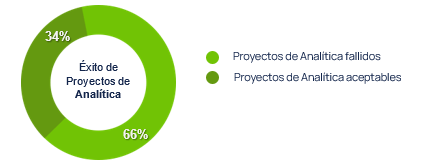
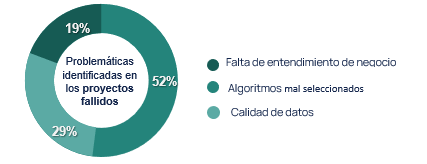
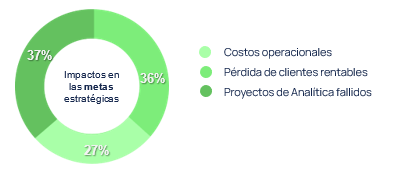
Data Intelligence is here to stay in the business fabric of the different sectors of the economy, which, in order to move forward, have gone from making decisions based on intuition to decisions based on intelligent data analysis.

